

Macular hole

We operate on macular holes so you can recover your vision. We have advanced technology and a highly qualified team of retina care specialists to provide the quality care and results you are looking for.

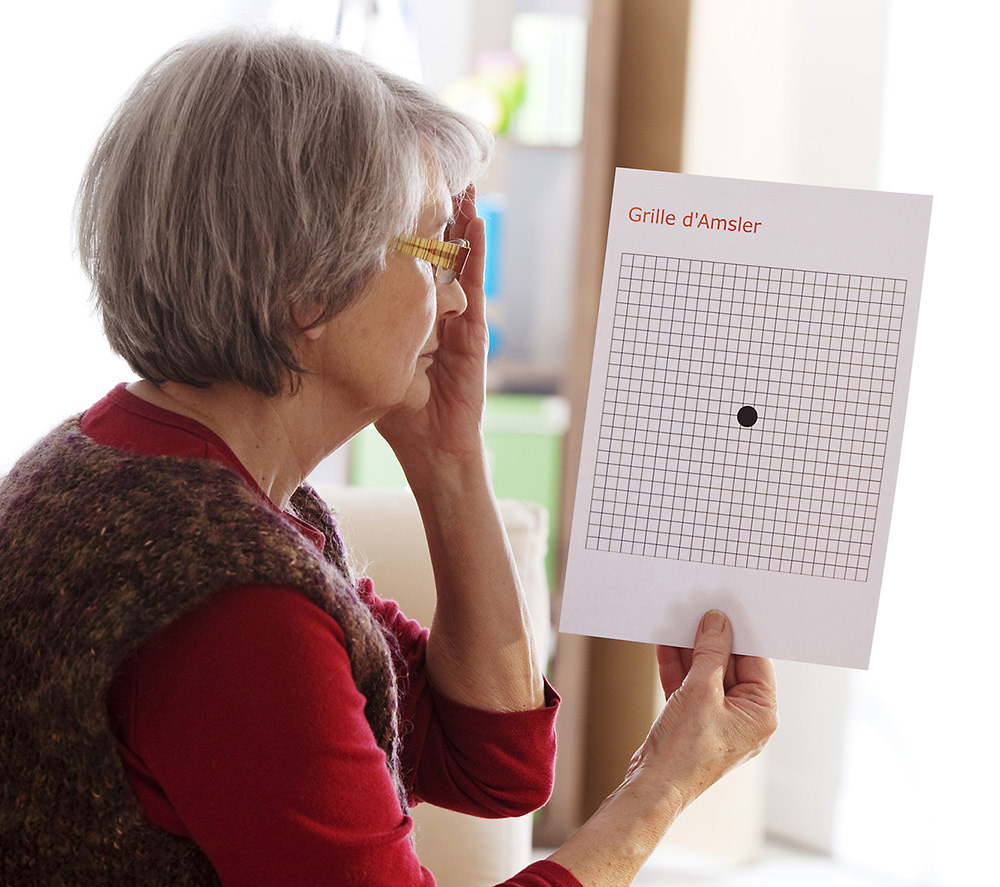
Older woman having her eyesight checked

What is a macular hole?

A macular hole is a break in the neurosensory retina at the fovea, the most central part of the macula.

What is the treatment?

A macular hole is treated with surgery. A vitrectomy is performed, a technique that allows the vitreous and the internal limiting membrane around the hole to be removed. At the end of the procedure, a tamponade agent is left inside the eye, usually 20% SF6, a gas that allows the hole to close. The patient must remain face down for 3 days to achieve anatomical closure of the hole.

Fortunately, the success rate is very high: closure is achieved in around 95% of cases. In special cases, such as large holes or myopic macular holes, a second procedure may be required.

The medical team at Instituto Castanera includes macular hole specialists. We have advanced equipment for its diagnosis and treatment. We are constantly updating our knowledge to treat our patients with the most innovative and effective techniques.

Schedule a retina consultation if you have symptoms consistent with a macular hole or if, because of your age, you want to monitor your eyes for the early detection of eye conditions.

Our specialists talk about macular holes

What is age-related macular degeneration?
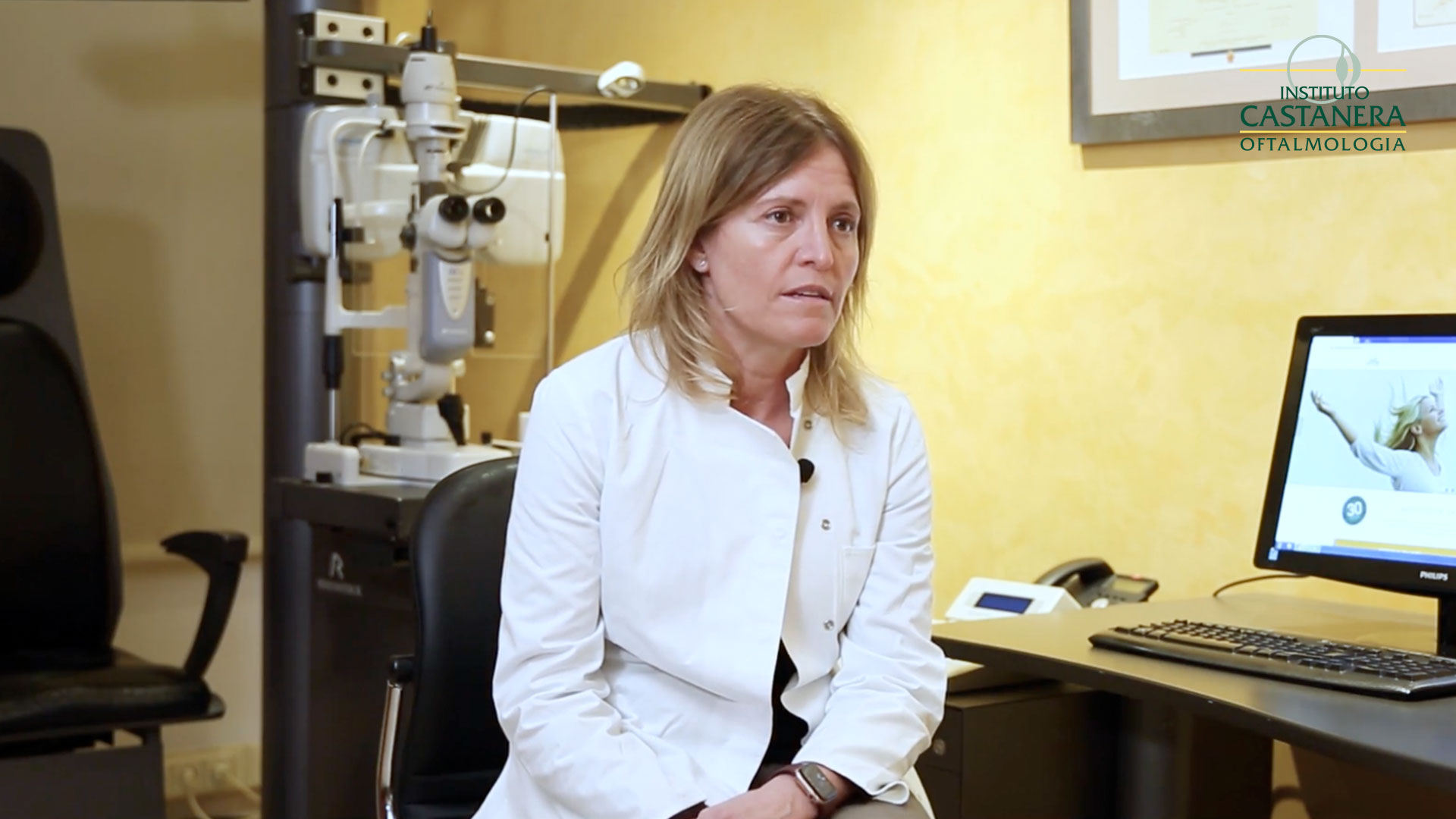
Dr. Laura Broc of Instituto de Oftalmología Castanera explains age-related macular degeneration, its types, causes, symptoms and treatments, offering a complete guide to this eye disease.

Professionals who form the medical team for macular holes

Medical license no.: 33258 COMB

Dr. Laura Broc Iturralde

Medical license no.: 33258 COMB

Dr. Laura Broc Iturralde

Graduated in Medicine and Surgery from the University of Barcelona in 1996 and specialist in Ophthalmology since 2002. Master’s degree in Vitreoretinal Disease from the UAB, where she is an associate professor.

Her work at Instituto Castanera focuses on the medical and surgical diagnosis and treatment of retinal diseases. She takes part in clinical trials investigating the efficacy of different drugs for the prevention and treatment of age-related macular degeneration.

Medical Societies:

  • Catalan Society of Ophthalmology
  • Spanish Society of Ophthalmology (S.E.O)
  • Spanish Society of Retina and Vitreous (S.E.R.V), board member

Frequently asked questions

In general, a macular hole usually causes a loss of central visual acuity: the patient notices a central scotoma, a spot in the center of the visual field that prevents them from reading.

No, not at all. The eye is numbed with local anesthesia, so the patient has no sensation during surgery. In addition, a microincision vitrectomy technique is used, so in most cases no stitches are needed.

No. Anatomical closure usually occurs within the first few days after surgery, but visual recovery is gradual, over the course of several months. In addition, the gas left inside the eyeball takes approximately 15 days to be reabsorbed, and during that time the patient does not see clearly; it feels like looking through a “half-full glass of water”.

Phone:

+34 932 173 704

Language: