Neuro-ophthalmology
We treat neurological disorders that can affect the visual pathway. We examine, diagnose, treat and monitor neuro-ophthalmological diseases and conditions. We have specialists, equipment and advanced technology to provide you with the best care at our neuro-ophthalmology clinic in Barcelona.
Home » Treatments » Neuro-ophthalmology
What is neuro-ophthalmology?
Neuro-ophthalmology is the medical science that focuses on the diseases, study, treatment and follow-up of the structural neurological functions related to the visual system.
Some neurological conditions influence and have an impact on the visual system. Our team of professionals at Instituto Castanera includes highly qualified neuro-ophthalmology specialists with years of experience. We have the advanced technology and equipment needed to care for patients with this type of condition.
Early detection and treatment of neuro-ophthalmological conditions is key to increasing the chances of restoring visual function sooner, as well as preventing possible recurrences of these conditions.
Have you been given a diagnosis of this kind, or do you suspect you may have one of these conditions? Do you have a neurological condition and want to look after your eyes or improve your eyesight? Book an appointment for a consultation.
Introduction to Neuro-ophthalmology: most common diseases
Neuro-ophthalmology covers all neurological diseases that can affect the visual pathway. It includes a very broad group of conditions that present in very different ways:
- Vision loss. It may be unilateral or bilateral, with or without subsequent recovery.
- Diplopia: double vision.
- Visual field defects.
- Oculomotor palsies: difficulty moving one or both eyes properly.
- Nystagmus: rapid, involuntary oscillation of the eyes.
- Changes in pupil size or function.
- Pain with eye movements.
Optic nerve disorders
The optic nerve is the structure of the eye responsible for carrying visual information from the outside world to the brain.
Inflammation of the optic nerve is known as optic neuritis. This condition is usually due to infections or autoimmune processes. It often affects vision suddenly and severely, although in most cases vision is recovered.
We speak of optic neuropathy when the function of the optic nerve is compromised by causes other than inflammation:
- Traumatic optic neuropathy. Caused by trauma.
- Compressive causes, usually tumors.
- Ischemic optic neuropathy: vascular processes.
- Nutritional deficiencies
- Hereditary optic neuropathy or genetic causes.
In most of these cases the optic nerve takes on a whitish appearance. This is known as optic atrophy and it irreversibly affects both visual acuity and the visual field.
Sometimes the visual pathway is affected by increased intracranial pressure, in which case we speak of papilledema.
Other aspects of Neuro-ophthalmology
Neuro-ophthalmology also covers ocular motor disorders, that is, total or partial paralysis of the muscles that move the eyes. In most cases this leads to diplopia, or double vision, and strabismus, the inability to align the eyes.
Pupillary disorders include subtle changes that can nonetheless pose a risk to the patient’s life and vision
- Anisocoria, which is a difference in size between the two pupils.
- Afferent pupillary defects, meaning that the pupils constrict poorly in response to direct light stimulation.
The main aim of neuro-ophthalmology is to detect early which diseases are causing the visual symptoms, so that they can be treated quickly and effectively in order to restore visual function as soon as possible and to prevent possible recurrences.
Book an appointment for a neuro-ophthalmology consultation at I.O. Castanera.
What is the treatment?
There is a wide variety of neuro-ophthalmological conditions and, therefore, also different treatments. A detailed assessment of the patient’s needs must always be carried out in order to provide the appropriate ones. For example, some of these conditions require treatment with prisms fitted to glasses or neuromodulator injections. In some cases, surgery on the eye muscles is necessary.
At I.O. Castanera we study your case thoroughly in order to recommend the right treatment.
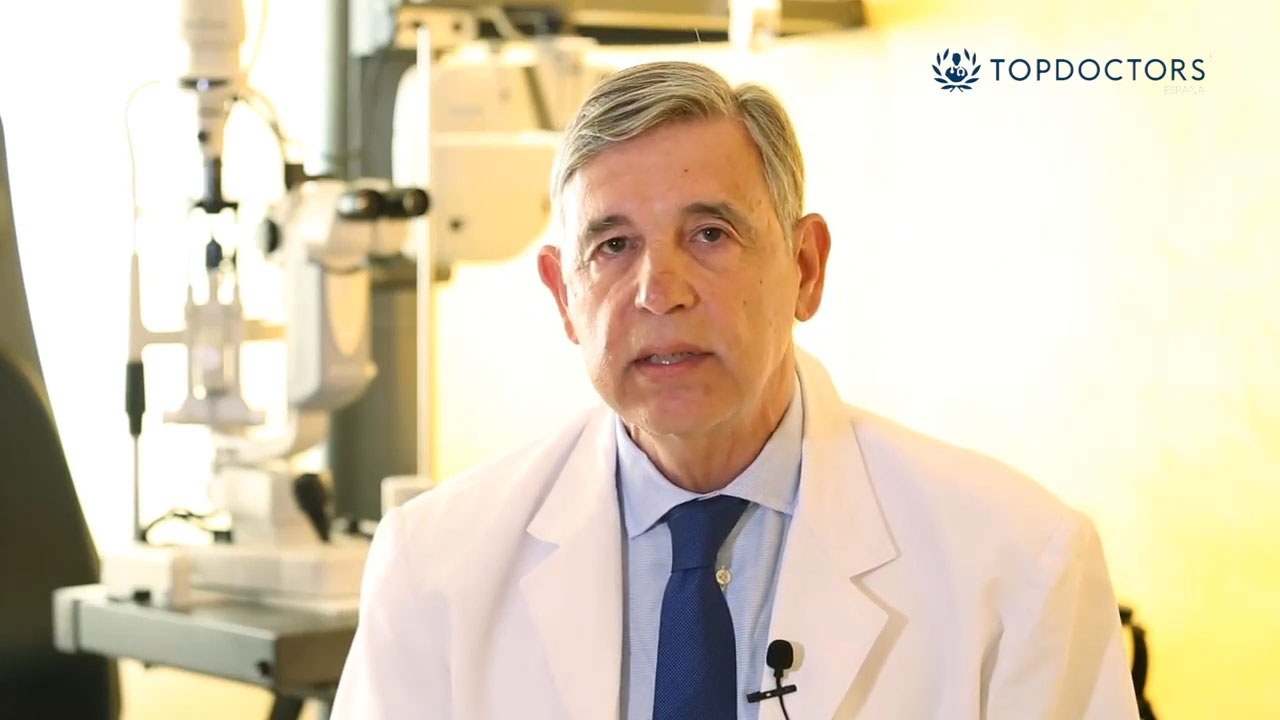
Our specialists talk about neuro-ophthalmology
Professionals who form the medical team for neuro-ophthalmology
Dr. Gemma Romeu Cerrillo
Medical license no.: 43275 COMB
Dr. Gemma Romeu Cerrillo
Graduated in Medicine and Surgery from the University of Barcelona in 2007. Specialist in Ophthalmology.
Master’s degree in Pediatric Ophthalmology at Hospital Sant Joan de Déu (University of Barcelona), where she teaches neuro-ophthalmology.
Her work at Instituto de Oftalmología Castanera focuses on the medical and surgical diagnosis and treatment of pediatric eye disorders, the treatment of strabismus in children and adults, and neuro-ophthalmology.
Medical societies:
- Catalan Society of Ophthalmology
- Spanish Society of Strabology (S.E.E)
Frequently asked questions
Approximately half of people with multiple sclerosis may have relapses that affect the optic pathway. That is why it is important to assess and monitor the patient, identify the damage and apply the appropriate treatment in each case to resolve it or minimize its symptoms, whenever possible.
In neuro-ophthalmology, collaboration between different medical specialists is advisable in many cases. Some neurological conditions affect the organs of vision, and their diagnosis and treatment require an examination and tests performed by a neuro-ophthalmologist. If these conditions or disorders are already present, the neuro-ophthalmologist will indicate the appropriate treatment and follow-up.
However, even if they have not yet appeared, regular check-up appointments are recommended. This follow-up makes it possible to identify and diagnose conditions early, so that treatment can be started promptly to achieve a better outcome, a faster recovery and a lower likelihood of the condition recurring.
Among other cases, if you have neurological conditions such as an ocular infarction, multiple sclerosis or recurrent migraines that cause vision disturbances; if you have symptoms such as adult strabismus or double vision; if you already know you have optic nerve disorders; if you have had a vascular infarction; when a neurologist has recommended it; or if you suspect you may have a neurological condition affecting your vision.
A brain tumor can cause problems such as blurred vision and double vision, either immediately or over time. It can also reduce part of the visual field. If you have or have had a brain tumor and suspect this kind of damage, come for a neuro-ophthalmology consultation.