
Pediatric ophthalmology check-ups
We perform pediatric ophthalmology check-ups for babies, children and adolescents up to 16 years of age in order to diagnose and treat any eye abnormality or disease early. We have a team of pediatric ophthalmology specialists who are used to working with young patients, as well as advanced technology for a more comfortable check-up for our little patients.
Home » Treatments » Exams and Check-ups » Pediatric ophthalmology check-ups
What are pediatric ophthalmology check-ups?
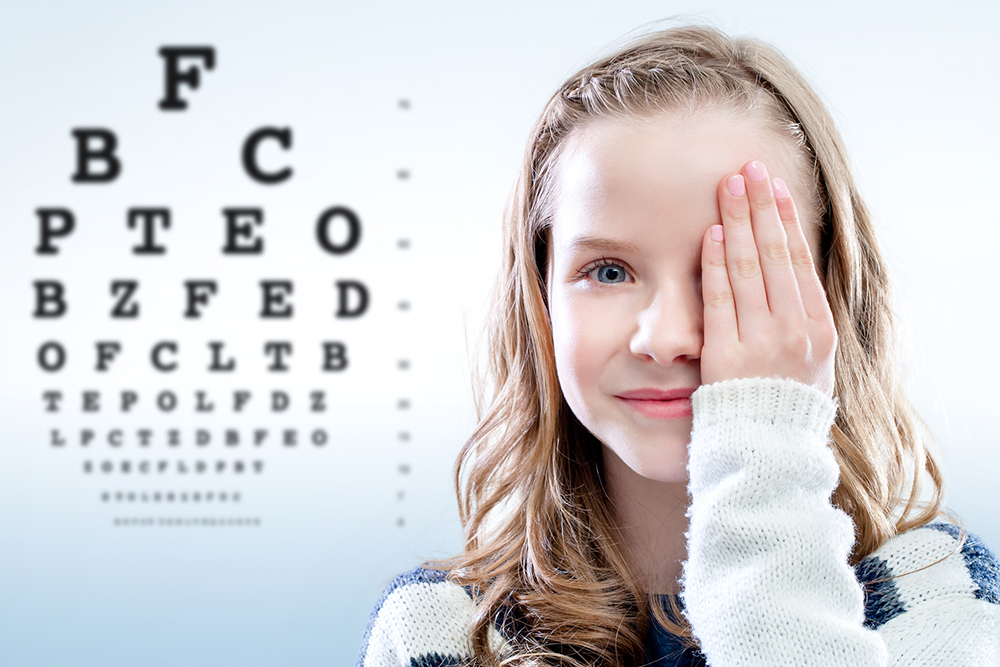
Pediatric ophthalmology check-ups are thorough examinations of children’s eyes and vision in order to identify any abnormality, disease or condition so that it can be treated.
Although the visual organs do not fully develop until the age of 9-10, it is essential to have pediatric check-ups from at least 3-4 years of age, or earlier if there is a family history. Some conditions, such as strabismus and amblyopia or lazy eye, occur mainly at these stages and, without early treatment, can progress to loss of vision in the eye. That is why these problems need to be identified and treated before the eyes reach full maturity.
Pediatric ophthalmology check-ups also aim to identify possible refractive errors for treatment, which may require the use of glasses, as in the case of astigmatism, hyperopia or myopia.
At Instituto de Oftalmología Castanera we perform pediatric eye check-ups for children at both preschool age and school age. Our team of pediatric ophthalmology specialists is used to working with young patients, so they know how to create the right atmosphere and rapport for our little patients to feel calm and cooperate, making the process simpler and more comfortable for them.
Schedule an appointment for a pediatric eye check-up at Instituto Castanera.
At an early age, a complete eye examination is necessary to assess visual acuity and lens accommodation and to identify signs of the main pediatric eye diseases and conditions, as well as possible refractive errors: amblyopia or lazy eye, strabismus, astigmatism, hyperopia or myopia, among others.
Early treatment of eye disorders in childhood is crucial to prevent a poor outcome that could lead to loss of vision in the eye. It is also crucial for treating refractive problems that affect their visual acuity and worsen children’s quality of life and their future school performance.
Eye check-ups are recommended once a year, or earlier if a problem is suspected or there are signs of reduced visual acuity.
At this stage, once the eyes have developed, problems and conditions can still appear that affect children’s intellectual activity and school performance. In addition, the use of devices with screens can affect the condition of their eyes.
Pediatric ophthalmology check-up when problems or conditions are suspected.
If you notice symptoms of an eye condition in your child, if you suspect a disease, if they have suffered a blow affecting the eye or the area around it, if you notice their eyes are not aligned, if they have constant tearing or if their eyelids do not look normal to you, come in for a pediatric ophthalmology check-up.
Schedule an appointment with our specialists for a pediatric ophthalmology check-up. We have advanced technology for a thorough and precise examination of the eye with minimal discomfort for young patients.
Our specialists talk about strabismus
Ophthalmology – Electronic device screens: are they harmful to children?
Pediatric ophthalmology
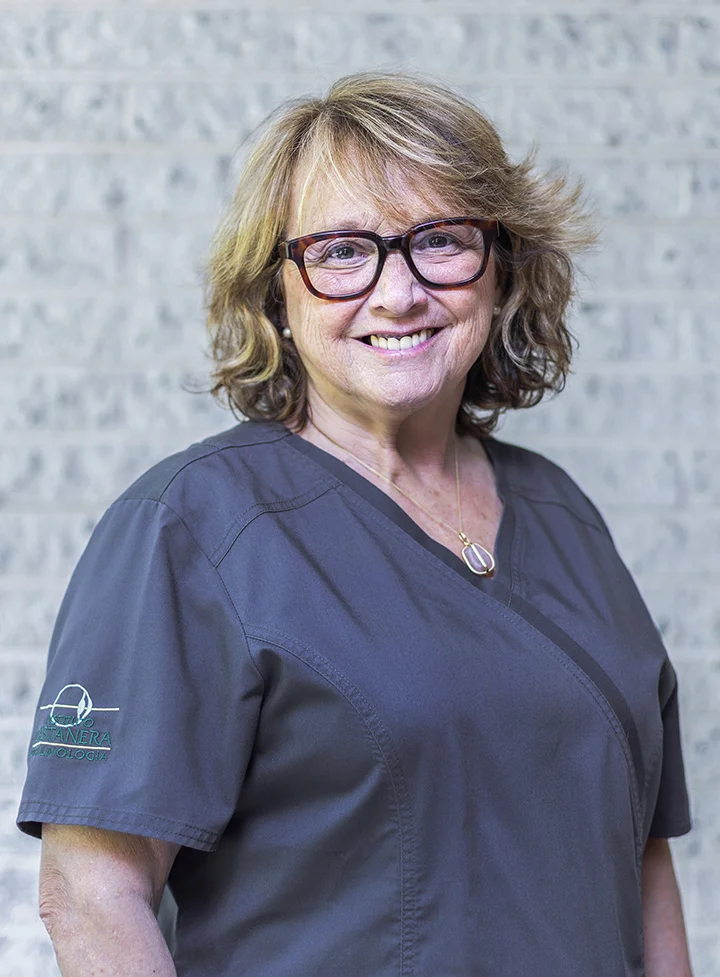
Professionals who form the medical team for pediatric ophthalmology check-ups.
Dr. Alicia Serra Castanera
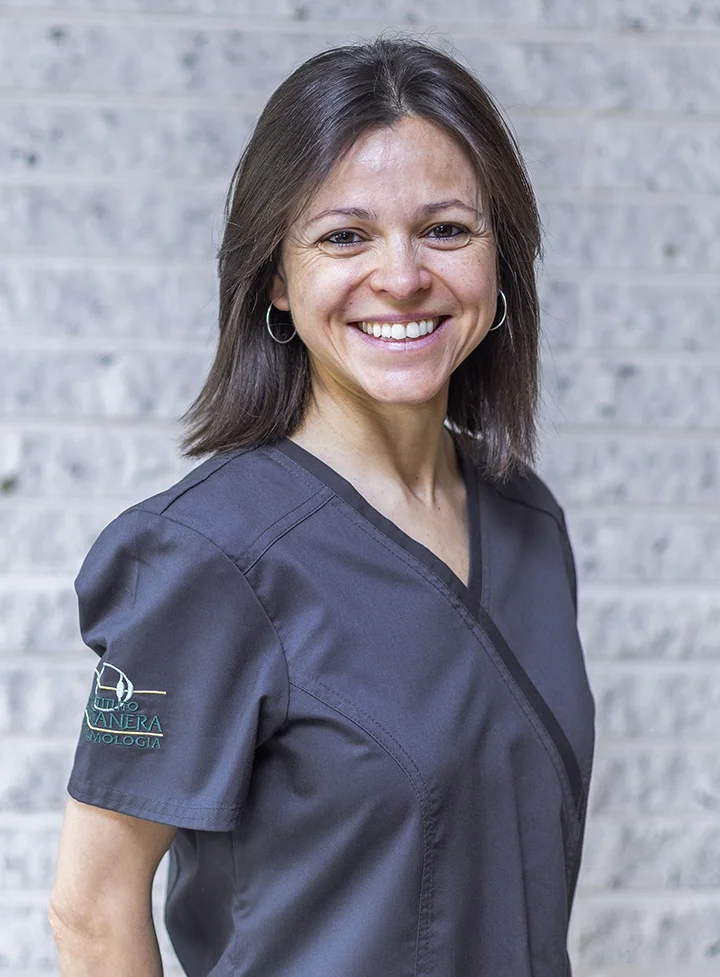
Dr. Gemma Romeu Cerrillo
Medical license no.: 23816 COMB
Dr. Alicia Serra Castanera
Graduated in Medicine and Surgery from the UAB in 1986, specialist in Ophthalmology. Her work at Instituto Castanera focuses on the medical and surgical diagnosis and treatment of pediatric eye disorders, as well as the treatment of strabismus in both children and adults. She takes part in numerous courses, congresses and scientific meetings, as well as in a clinical research trial on the efficacy of different drugs for the treatment of pediatric glaucoma, and in the “RTOC” (Pediatric Ophthalmology Telemedicine Network of Catalonia), aimed at improving the diagnosis and treatment of retinopathy of prematurity.
Medical Societies:
- Catalan Society of Ophthalmology, board member, Vice President
- Spanish Society of Ophthalmology (S.E.O)
- Spanish Society of Strabology (S.E.E)
- Spanish Glaucoma Society (S.E.G)
- European Paediatric Ophthalmological Society (E.P.O.S), board member
Medical license no.: 43275 COMB
Dr. Gemma Romeu Cerrillo
Graduated in Medicine and Surgery from the University of Barcelona in 2007. Specialist in Ophthalmology.
Master’s degree in Pediatric Ophthalmology at Hospital Sant Joan de Déu (University of Barcelona), where she teaches neuro-ophthalmology.
Her work at Instituto de Oftalmología Castanera focuses on the medical and surgical diagnosis and treatment of pediatric eye disorders, the treatment of strabismus in children and adults, and neuro-ophthalmology.
Medical societies:
- Catalan Society of Ophthalmology
- Spanish Society of Strabology (S.E.E)
Frequently asked questions
There are different diagnostic techniques and technologies. At Instituto de Oftalmología Castanera we know that a good attitude on the part of the patient is key to their well-being and cooperation, which helps us make a better diagnosis. That is why we create the right atmosphere so that the child feels calm and comfortable during the eye check-up.
If there are no problems that call for an earlier visit in the first weeks and months of life, it is advisable to come in at 3-4 years of age. Schedule an appointment with our specialists if your son or daughter is in this age range and has not yet had an eye check-up.
During a pediatric ophthalmology check-up, the specialist will examine their eyes and determine whether they need glasses. Suspect a vision problem if your child holds books very close to read, says they cannot clearly make out something at a relatively short distance, rubs their eyes a lot or often feels dizzy. In these cases, a check-up is advisable. The same applies if they blink constantly or tilt their head as if trying to focus.
When the specialist prescribes glasses as treatment and they are not worn, the disease or refractive error will get worse. Depending on why the child needs glasses, they may even lose vision. That is why it is essential to follow the prescribed treatment.